


The council is a single corporate body. The Local Government Act 1972 was created to give more freedom to parish councils to carry out a series of functions on behalf of the community.
The council has been granted powers by parliament and is responsible for its actions as a corporate body. The council represents and serves the whole community. It establishes policies for future actions and will decide how money is raised and spent on behalf of the local community from setting a budget annually.
The council has the authority to raise money through precept, which is a tax collectable from the council tax of the local authority.
Individual councillors work together as a corporate body to provide services and manage parish land, buildings and assets and also carrying out maintenance and improvements. The council must hold at least four meetings a year, one of which must be the Annual meeting in which the chair and vice chair are elected. Decisions about local council business are taken at the monthly formal meetings and the public have a right to attend.
The Chairman
The chairman is a statutory role responsible for ensuring that effective, lawful and impartial decisions are taken at council meetings. It is a position of authority. The council are obliged to appoint a chair under the Local Government Act 1972 section 14. The chair is elected by the members of the council at The Annual Council meeting and will serve for 12 months at a time.
The chairman works with the clerk to ensure that the council is properly informed for the making of lawful decisions during meetings. The chairman should also ensure that during the meeting discussions are not too lengthy and that all councillors are involved. A chairman should suggest content to the clerk for the agenda but the clerk has the overall say what is put in the agenda. They must also ensure that business is only kept to what is on the agenda and that decisions are made and recorded.
To ensure decisions are made the chair will have the casting vote, if any vote is tied. The chair is often the face of the council in a civic capacity and will speak at various functions on behalf of the council. The chairman on his own has no power to make any decisions. Any resignations by other councillors or clerks should be given to the chairman
Councillors
A councillor’s main role is to act as a representative of their local council. A councillor is the holder of a public office and is a volunteer. A councillor is elected by the electors of the parish every four years. A councillor may also be co-opted into the council too.
All councillors are required by law to complete a declaration of acceptance of office and to provide a written undertaking to accept the council code of conduct. A councillor must also complete a register of interest.
No individual councillor can make a decision on their own, only the council as a whole can make decisions on behalf of the local community. A councillor has a duty to respond to the views and needs of the community.
A councillor is legally required to conduct themselves ethically and be open about their own interests. A councillor is expected to attend council meetings and to make informed contributions on business debates that need to have a decision made.
Councillors are able to refer to information which can guide them in their role. This includes the NALC Good Councillor Guide 2024 Link
The Clerk
The clerk is employed by the Council, under section 112 (1) of the Local Government Act 1972, to provide administrative support for the Council’s activities. Any other staff, although employed by the Council, are supervised by the clerk who is their manager and is responsible for their performance. The Clerk is also the liaison for any contractors used by the Council.
The Clerk’s primary responsibility is to advise the Council on whether its decisions are lawful and to recommend ways in which decisions can be implemented. To help with this, the Clerk can be asked to research topics of concern to the Council and provide unbiased information to help the Council to make appropriate choices.
The clerk has a wide range of other responsibilities which are set out in their job description. The clerk must recognise that the council is responsible for all decisions and that he/she takes instructions from the council as a body. The clerk is not answerable to any individual councillor – not even the Chairman
The Council must be confident that the clerk is, at all times, independent, objective and professional.
The clerk is the Council’s ‘Proper officer’ and as such is under a statutory duty to carry out all the functions, and in particular to serve or issue all the notifications required by law of a local authority’s Proper Officer. In financial matters, the proper officer is known as the Responsible Financial Officer (RFO). It is not unusual for the Parish Clerk to be both the Proper officer and the RFO.
The Clerk is required to give clear guidance to Councillors, including the Chair, before decisions are reached, even when that guidance may be difficult to accept. The Clerk has a key role in advising the council, and Councillors, on governance, ethical and procedural matters. They must also liaise with the Monitoring Officer at the district/unitary council on ethical issues and the Councillors’ Register of Interests.
Responsibilities of a Parish Clerk
- To ensure that statutory and other provisions governing or affecting the running of the Council are observed.
- To monitor and balance the Council’s accounts and prepare records for audit purposes and VAT.
- To ensure that the Council’s obligations for Risk Assessment are properly met.
- To prepare, in consultation with appropriate members, agendas for meetings of the Council and Committees. To attend such meetings and prepare minutes for approval.
- To attend all meetings of the Council.
- To receive correspondence and documents on behalf of the Council and to deal with the correspondence or documents or bring such items to the attention of the Council.
- To issue notices and prepare agendas and minutes for the Parish Meeting: to attend the assemblies of the Parish Meeting and to implement the decisions made at the assemblies that are agreed by the Council.
Council Members
Cllr Peter Lowton Chairman of Council

Chairman of Council
Committee
- Finance & General Purposes
- Advisory Officer for the Sports Club
Cllr Shirley MacKinnon Vice Chair of Council
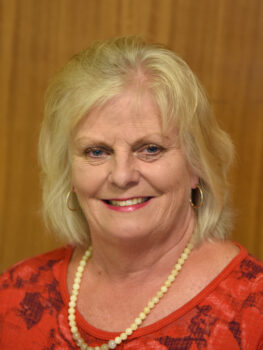
The Info:
Vice Chair of Council
Committee
- Chair of Finance & General Purposes
- Advisory Officer for Sea Defences & Water Management, St Wilfrid’s WDALC, Ethel Wood Community Centre
Cllr Kieron Quin
The Info:
Councillor
Cllr Norman Beaney
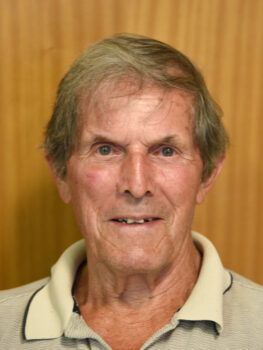
The Info:
Councillor
- Advisory Officer Pevensey Memorial Hall and Tree Warden
Cllr Sue Beck

The Info:
Councillor
- Advisory Officer St Wilfrid’s Hall
Cllr Ian Gibson

The Info:
Councillor
Committee
- Finance and General Purposes
Cllr Roy Jeive

The Info:
Councillor
Committee
- Finance and General Purposes.
Cllr Jayne Howard

The Info:
Councillor
Committee
- Finance & General Purposes
- Advisory Officer, Ethel Wood Community Centre.
The Info
Councillor
Declaration of Office
Register of Interest
Committees
Cllr Mike Pursglove

The Info:
Councillor
Cllr John Rabbitts
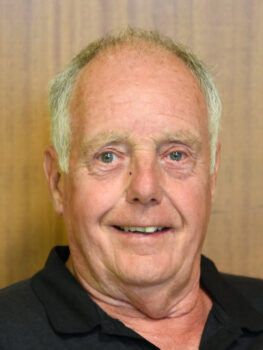
The Info:
Councillor
- Advisory Officer Tree Warden and Sea Defences & Water Management
Cllr Mark Tiernan

The Info
Councillor
Cllr Suzanne Ornsby

The Info:
Councillor
Committee
- Finance & General Purposes
- Advisory officer Coastal Waters
Clerk & Responsible Financial Officer Sarah Mosedale

District Councillors
Cllr Daniel Brookbank – Pevensey Bay Ward – Email: cllr.daniel.brookbank@wealden.gov.uk
Cllr Paul Coleshill – Pevensey Ward – Email: cllr.paul.coleshill@wealden.gov.uk
Cllr Mark Fairweather – Pevensey Ward – Email : cllr.mark.fairweather@wealden.gov.uk
County Councillor
Cllr Roger Lincoln Email: cllr.roger.lincoln@eastsussex.gov.uk